
If there’s one thing I see that can turn a happy pup into a stressed, itchy mess real fast—usually right in the middle of your kitchen—it’s fleas. And as a dog owner myself, I know that immediate “oh no…” feeling.
They’re tiny, but don’t let that fool you. Fleas can cause nonstop itching, irritated skin, and even full-on infestations. And once they get into your home, it’s not just your pup—you’ll start finding them in carpets, bedding… and somehow, you’ll feel itchy too 😅
So if you’re dealing with fleas (or think you might be), here’s a real, honest breakdown from what I see behind the grooming table every day.
How to Tell If Your Dog Has Fleas
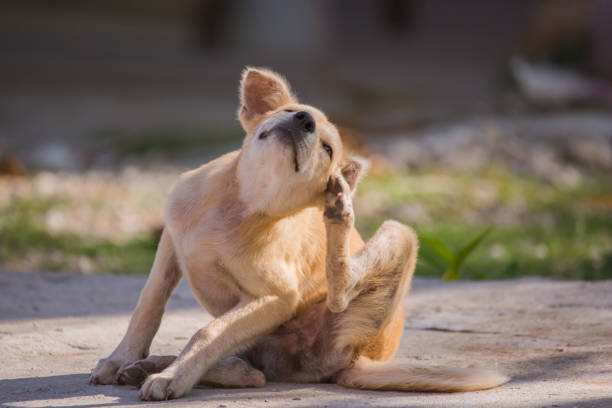
Most of the time, pet parents tell me, “He’s been scratching a lot lately.” That’s usually the first sign.
Here’s what I look for right away:
- Constant scratching or biting, especially near the tail and back legs
- Small red bumps or irritated skin
- Tiny black specks in the coat (that’s flea dirt)
- Check the top of the head too—fleas love hiding there
- If your dog is matted, that can easily turn into a little “flea kingdom”
- Restlessness or your pup just not acting like themselves
If I see a combination of these, fleas are usually the culprit.
Why Fleas Are So Hard to Get Rid Of
Here’s the thing—fleas don’t just live on your dog.
They lay eggs that fall into your home (carpet, couch, bedding), and those eggs hatch later. So even if your pup looks clean, new fleas can show up again if the environment isn’t treated too.
That’s why it always takes more than just one bath.
Step 1: Flea Bath (Fast Relief for Your Pup)
When a dog comes in uncomfortable, the first thing I focus on is relief.
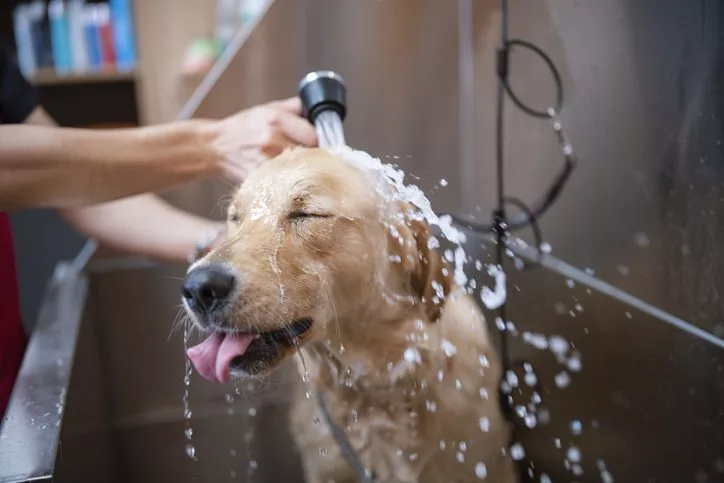
A proper, thorough flea bath helps kill fleas on contact and soothe irritated skin—but it has to be done right, not rushed.
When I do a flea bath, I:
- Use lukewarm, triple-filtered water to keep things clean and comfortable
- Work the shampoo in thoroughly—underbelly, legs, tail base, and head (their favorite hiding spots)
- Let the shampoo sit for a few minutes so it can actually do its job
- Rinse and repeat if needed
This isn’t just a quick wash—it’s a process.
Step 2: Flea Comb & Full Coat Check
After the bath, I go through the coat with a flea comb to catch any remaining fleas, eggs, or debris—especially in thicker coats.
And one thing people don’t realize—blow drying is just as important.
A thorough dry helps make sure everything is fully cleared out. We want fleas gone… gone gone.
Step 3: Follow-Up Treatment (Super Important)
Here’s something I always tell pet parents:
A flea bath helps right now—but it doesn’t stop fleas from coming back.
That’s where vet-recommended treatments (oral or topical) come in. These are what actually break the flea life cycle long-term.
If you’re unsure, your vet can recommend the best option for your pup.
Step 4: Treat Your Home (This Part Matters a LOT)
Even if your dog is fully clean, fleas can still be in your home.
(And just so you know—we fully clean and sanitize our grooming van between every session.)
At home, I recommend:
- Vacuum daily (carpets, rugs, couch, even your car)
- Wash bedding in hot water (and honestly, your clothes too)
- Empty the vacuum outside after each use
- Stay consistent for a few days
It’s not the fun part—but it’s what actually finishes the job.
Prevention = Way Easier Than Starting Over
Once fleas are gone, the best thing you can do is keep your pup on a regular flea prevention routine.
Even if it’s cold or you haven’t seen fleas in a while—they can still show up. Prevention saves you (and your dog) from going through all of this again.
Final Thoughts
If your pup has fleas, don’t stress—it happens, and it’s fixable.
With the right combination of a proper flea bath, follow-up treatment, and home cleaning, you can get things back under control pretty quickly.
And if you ever want help—or just want it done right the first time—I’ve got you. Just ask me during your appointment. I’m always happy to take a look and help your pup feel like themselves again