
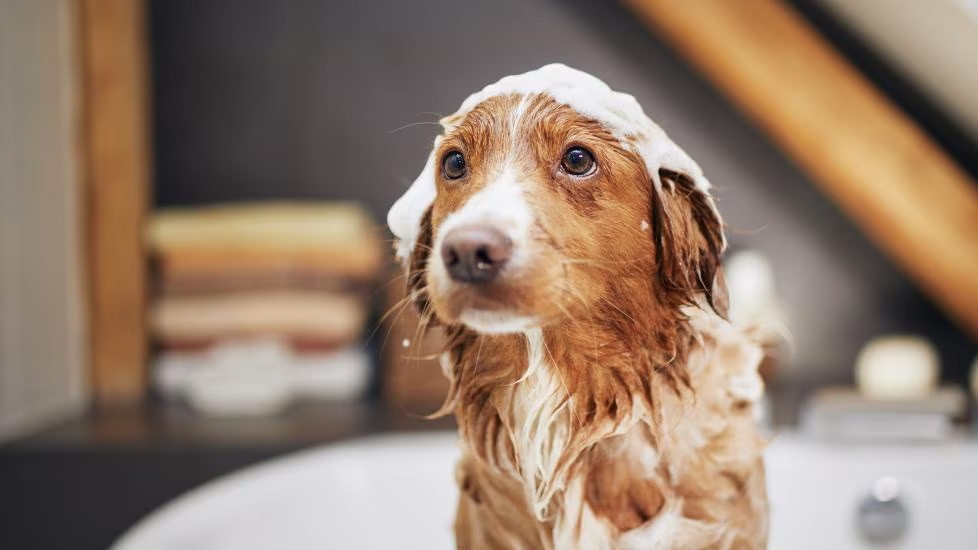
If you’ve ever tried to set a bathing routine for your dog, you’ve probably realized there’s no simple answer. Some dogs seem perfectly clean after weeks without a bath, while others start looking, and smelling, like they need one within days. That’s because bathing isn’t about following a fixed schedule. It’s about understanding your dog’s coat, lifestyle, and skin condition, then adjusting accordingly. While most dogs fall somewhere between every 4 to 6 weeks, the actual range can stretch from weekly baths to once every few months.
Getting this balance right is important. Too many baths can damage your dog’s skin, while too few can lead to buildup, odour, and discomfort. The goal is not just cleanliness; it’s maintaining a healthy coat and skin environment.
Why Bathing Is More Than Just Keeping Your Dog Clean
Bathing plays a much deeper role than simply removing dirt. Your dog’s skin produces natural oils that protect against bacteria, support hydration, and keep the coat smooth and resilient. These oils are essential, not something to be washed away completely.
When you bathe your dog at the right frequency, you remove excess oil, allergens, and debris without disturbing this natural balance. But when bathing becomes too frequent, those protective oils are stripped away faster than the body can replace them. This often leads to dryness, irritation, and in some cases, even increased oil production as the skin tries to compensate.
On the other hand, leaving too much time between baths allows dirt and bacteria to accumulate, which can cause itching, odor, and skin issues. This is why the correct routine is always about balance, not extremes.
A Practical Bathing Frequency Guide
|
Dog Type / Condition |
Ideal Bathing Frequency |
|
Short-haired, indoor dogs |
Every 6–10 weeks |
|
Medium to long-coated dogs |
Every 4–6 weeks |
|
Curly or non-shedding coats |
Every 3–4 weeks |
|
Highly active or outdoor dogs |
Every 2–4 weeks |
|
Oily-coated breeds |
Every 2–6 weeks |
|
Dogs with skin conditions |
Vet-directed routine |
These numbers are not strict rules. Think of them as a flexible framework that you adjust based on how your dog actually looks, feels, and behaves over time.
Coat Type: The Foundation of Your Dog’s Bathing Needs
Coat type is the single most important factor in determining how often your dog needs a bath. It directly influences how dirt, oil, and moisture interact with the skin.
Double-Coated Dogs
Dogs with thick double coats have a natural system for managing dirt. Their undercoat sheds regularly, helping remove debris without frequent washing. Because of this, these dogs often need fewer baths than expected.
Over-bathing them can interfere with their natural oil distribution and even affect how their coat regulates temperature.
Short-Coated Dogs
Short coats don’t trap dirt as easily, but they also don’t hide oil buildup. Over time, the coat can feel greasy even if it looks relatively clean. These dogs usually do well with occasional baths combined with regular wiping and brushing.
Curly and Non-Shedding Coats
Curly or dense coats behave differently. They tend to trap dirt, oil, and debris more easily, which increases the risk of matting and odour buildup. These dogs require more frequent bathing along with consistent grooming to maintain coat health.
Lifestyle: The Factor That Changes Everything
Two dogs with the same coat can still have completely different bathing needs depending on how they live.
A dog that spends most of its time indoors on clean surfaces will naturally stay cleaner for longer. In contrast, a dog that runs through parks, dirt, or water will accumulate debris much faster.
What increases bathing frequency?
- Regular outdoor activity
- Rolling in dirt or grass
- Swimming or exposure to water
- Contact with other animals
This is why many pet owners adjust their routine during warmer months. A structured summer dog bath plan often becomes necessary because dogs spend more time outside and are exposed to more dirt, allergens, and moisture. Instead of waiting for visible dirt, proactive bathing during these periods helps maintain skin health and prevents buildup.
Skin Conditions and Sensitivity
Skin health can override all general bathing guidelines. Even the best routine needs to be adjusted if your dog has specific dermatological needs.
Dogs with dry or sensitive skin usually require less frequent bathing. Washing too often can worsen dryness and lead to irritation or flaking. In these cases, spacing out baths and using moisturizing products becomes essential.
On the other hand, dogs with oily skin or certain infections may need more frequent bathing. In some cases, veterinarians recommend medicated shampoos used multiple times per week for a limited period. This is where bathing shifts from routine care to targeted treatment.
How to Know When It’s Actually Time for a Bath
While general timelines are helpful, your dog’s condition is always the most reliable indicator. Instead of relying only on the calendar, it’s better to observe changes in coat texture, smell, and behavior. A strong or unusual odour is often the first sign. While a mild natural scent is normal, anything noticeably unpleasant usually means buildup has reached a point where a bath is needed.
Texture also matters. If the coat feels greasy, sticky, or unusually heavy, it’s a clear signal that excess oil and dirt have accumulated. For longer-haired dogs, early signs of matting or tangling also indicate that it’s time for cleaning and grooming. Sometimes the signs are behavioural. Increased scratching, restlessness, or discomfort can point to irritation caused by dirt or allergens trapped in the coat.
The Real Risks: Too Much vs Too Little
One of the biggest mistakes dog owners make is focusing only on cleanliness without considering the consequences of overdoing it.
Over-bathing
- Removes essential protective oils
- Leads to dryness and flaking
- Can cause irritation and sensitivity
- May increase oil production over time
Under-bathing
- Allows dirt and bacteria to build up
- Causes strong odor
- Increases risk of infections
- Leads to matting in longer coats
The healthiest approach is not about frequent washing; it’s about maintaining consistency without disrupting the skin’s natural balance.
Grooming Plays an Equal Role (Not Just Bathing)
Bathing alone isn’t enough to maintain your dog’s coat. Grooming fills the gaps between baths and often reduces the need for frequent washing. Brushing removes loose fur, dirt, and debris while helping distribute natural oils evenly across the coat. This keeps the coat healthier for longer and prevents tangles or matting from developing.
For many dog owners, consistency becomes the biggest challenge. This is where a dog grooming membership becomes useful. Instead of trying to manage everything manually, it creates a routine that keeps grooming, trimming, and cleaning on track.
Why More Owners Are Choosing Subscription Grooming
Modern pet care is shifting toward structured routines rather than occasional care. Services like a monthly dog grooming subscription are becoming popular because they remove inconsistency.
Instead of remembering when your dog last had a bath or grooming session, everything is scheduled in advance. For those searching for a dog grooming monthly membership near me, the goal is usually convenience combined with better long-term results. A subscription grooming model ensures that your dog is maintained regularly, not over-bathed, not neglected, but consistently cared for.
How to Bathe Your Dog the Right Way
Even with the perfect schedule, technique matters. A poorly done bath can leave residue, cause irritation, or fail to clean properly. A proper bath service is required for doing it the right way.
Step-by-step essentials
- Brush the coat before bathing to remove loose fur
- Use lukewarm water to avoid skin irritation
- Apply only dog-specific shampoo
- Rinse thoroughly to prevent residue buildup
- Dry completely, especially for thick or long coats
Each step supports skin health and ensures the bath is actually beneficial.
When Professional Grooming Is the Better Option
There comes a point where home care may not be enough. Some dogs require more precise grooming than most owners can manage consistently. This is especially true for dogs with long, dense, or curly coats, where improper care can quickly lead to matting and discomfort. It’s also relevant for dogs that resist bathing or have specific skin needs requiring specialized products.
In these cases, a recurring dog grooming service provides both expertise and consistency. It ensures that bathing, trimming, and coat maintenance are handled correctly every time.
Final Thoughts
The right bathing routine isn’t about following a strict timeline, it’s about understanding your dog’s needs and adjusting accordingly. Coat type, lifestyle, and skin health all play a role in determining what works best.
For some dogs, monthly baths are ideal. For others, less frequent washing combined with proper grooming is enough. And for many owners, a recurring dog grooming service provides the easiest way to maintain consistency without the stress of managing everything manually.
Frequently Asked Questions
How often should I bathe my dog in summer?
Dogs typically need more frequent baths in summer, usually every 2 to 4 weeks, due to increased activity and exposure to dirt.
Can I bathe my dog every week?
Weekly bathing is safe only if necessary and if gentle products are used. Otherwise, it can lead to dryness.
What happens if I don’t bathe my dog enough?
Dirt, oil, and bacteria can build up, leading to odor, irritation, and possible skin issues.
Do indoor dogs need fewer baths?
Yes, indoor dogs usually stay cleaner and can go longer between baths, often around 4 to 8 weeks.
Is brushing enough instead of bathing?
Brushing helps maintain cleanliness but cannot fully replace bathing.
What’s the best schedule for long-haired dogs?
Long-haired dogs generally need baths every 3 to 4 weeks along with regular grooming.